

Why Cleaning Matters for a Healthier More Productive Life
A clean room can change the way a day feels. The air seems lighter. The bench is easier to use. Keys, bills, school notes, and chargers stop disappearing. Even a small reset, such as clearing the kitchen sink or vacuuming the hallway, can make home feel calmer and easier to live in.
Cleaning is often treated as a chore that sits at the bottom of the list. It waits until dust is visible, the laundry pile leans, or the bathroom becomes hard to ignore. Yet cleaning is not only about appearance. It supports health, protects belongings, reduces stress, and saves time in ways that are easy to overlook.
A cleaner space does not need to look like a display home. Real homes have shoes by the door, toys on the floor, pet hair on the couch, and crumbs under the toaster. The goal is not perfection. The goal is a home that supports daily life instead of adding friction to it.

Clean spaces support better health
Cleaning removes the things that build up quietly. Dust settles on shelves, under beds, on fans, and behind furniture. Crumbs attract pests. Damp areas can encourage mould. Bathroom surfaces collect soap scum, body oils, and bacteria. Kitchens deal with food scraps, spills, and grease every day.
Regular cleaning lowers the amount of dust, allergens, and grime in the home. This can be especially helpful for people who are sensitive to dust, pollen, pet dander, or mould. It is not a cure for health conditions, and it should not replace medical advice, but a cleaner environment can reduce common triggers that make a home feel uncomfortable.
Some areas matter more than others. High-touch surfaces pick up germs because hands touch them all day. These include:
Door handles
Light switches
Tap handles
Fridge handles
Remote controls
Toilet buttons
Kitchen benches
Mobile phone surfaces
Cleaning these areas often is a simple habit with a real payoff. It is especially useful during cold and flu season, after guests visit, or when someone in the home is unwell.
The kitchen deserves extra attention because it handles food. Wiping benches, washing chopping boards properly, rinsing cloths, and emptying bins help reduce contamination. The same applies to the bathroom, where dampness and poor airflow can make grime return quickly.
Good cleaning also improves indoor air quality. Dusting with a slightly damp cloth traps particles instead of sending them floating around the room. Vacuuming carpets and rugs helps remove dirt that shoes and pets bring inside. Opening windows when weather allows can also help freshen indoor air.
The health value of cleaning is not dramatic. It is steady. Small, repeated actions create a home that feels safer, fresher, and easier to breathe in.
Cleaning reduces mental load
Clutter asks for attention. A pile of washing says, “Deal with me.” Dishes in the sink say, “You are behind.” A messy entryway makes leaving the house harder. None of these things needs to be serious on its own, but together they create background noise.
A clean space gives the mind fewer loose ends to track. This is one reason people often feel relief after tidying a room. The physical space becomes clearer, and the day feels more manageable.
Cleaning can also create a sense of control. Many parts of life are unpredictable, from work rosters to school demands to weather and transport delays. A tidy kitchen bench or freshly made bed is a small area where effort produces a visible result. That can be grounding.
This does not mean every surface must be spotless. A home can be clean and still look lived in. The difference is whether mess has a place to go. A basket for shoes, a tray for keys, a hamper for clothes, and a regular place for bills can remove a surprising amount of daily stress.
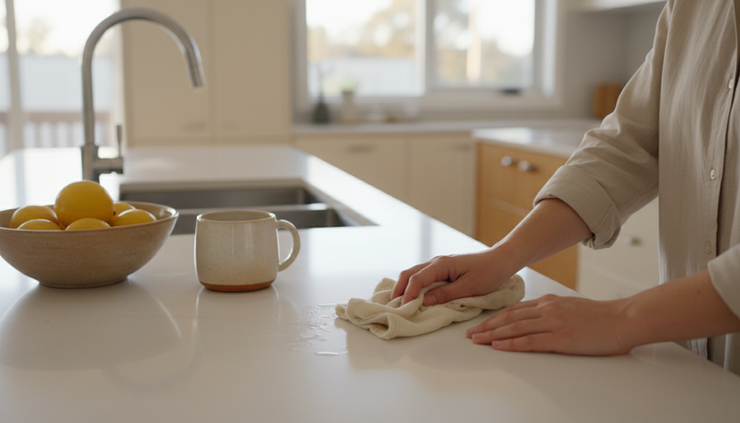
The act of cleaning can be calming too. Repetitive tasks, such as folding towels or wiping a table, give the brain a simple job. Some people put on music, a podcast, or a timer and treat cleaning as a reset between parts of the day.
A helpful approach is to focus on “closing duties” at home. These are the small tasks that make tomorrow easier.
A short evening reset might include:
Wash or stack dishes
Wipe the main bench
Put rubbish in the bin
Place shoes and bags near the door
Move laundry to one place
Clear one visible surface
That list may take ten to fifteen minutes. It can change the feeling of the next morning. Instead of waking up to yesterday’s mess, the home is ready for use.
A clean environment helps people focus and get more done
Productivity is not only about apps, schedules, or motivation. It is also about the space where tasks happen. When a room is cluttered, the brain has more to filter. When items do not have a place, simple work takes longer.
A clean environment removes small delays. Cooking is faster when benches are clear. Laundry is easier when clothes are sorted. Getting out the door is smoother when keys and shoes are where they belong. Homework, hobbies, and household admin become less frustrating when there is a clear place to sit and begin.
This is where cleaning connects directly to output. It saves small amounts of time again and again. Those minutes add up across a week.
Think about the difference between these two mornings.
The kitchen is messy, the school bags are somewhere in the lounge, and clean socks are mixed with dirty clothes.
Everyone starts the day searching, rushing, and reacting.
The sink is clear, bags are by the door, and laundry is sorted into baskets.
The day starts with fewer decisions and fewer interruptions.
The second home is not perfect. It is simply prepared.
Cleaning also helps protect attention. If the dining table holds mail, toys, receipts, and half-finished jobs, sitting down to complete one task becomes harder. The mess competes with the task. Clearing the table sends a signal that this surface has a purpose.
For people who work or study from home, this matters even more. The work area does not need to be fancy. It just needs to be usable. Clear away mugs, food wrappers, unrelated papers, and visual clutter. Keep only what supports the task.
Even outside work and study, cleaning supports better routines. A clear kitchen makes cooking at home more appealing. A tidy bedroom can make bedtime feel calmer. A clean bathroom makes morning care easier. These are practical benefits, not abstract ones.
Cleaner spaces reduce friction. Less friction means less effort spent starting, finding, and fixing.
Cleaning protects money, time, and belongings
Dirt has a cost. It wears things down. Grit scratches floors. Grease builds up on rangehoods. Soap scum marks glass. Dust can affect fans, vents, appliances, and electronics. Moisture that goes unchecked can damage walls, cupboards, and soft furnishings.
Regular cleaning helps catch problems early. A quick wipe under the sink might reveal a leak. Cleaning window tracks can show where water is pooling. Vacuuming under furniture may uncover pest activity or damp patches. These discoveries are easier to deal with early than late.
Cleaning also extends the life of everyday items. Carpets last better when grit and dust are removed. Fridges work better when spills are cleaned and old food is cleared out. Bedding feels fresher when washed regularly. Outdoor areas stay safer when leaves, dirt, and algae are kept under control.
This is especially relevant in Australian homes where dust, pollen, coastal air, humidity, bushfire smoke, pets, and insects can all affect how quickly dirt builds up. A home near the coast may deal with salt residue. A home near dry open spaces may collect more dust. A shaded bathroom may need more airflow and mould prevention. Cleaning routines work best when they match the conditions of the home.
There is also a money benefit. Replacing stained furniture, damaged rugs, pest-affected pantry food, or mouldy storage items can be expensive. Cleaning is a form of maintenance. It keeps what is already owned in better condition.
A simple maintenance mindset helps. Instead of waiting for a room to become “dirty enough,” link cleaning to use.
Wipe the cooktop after cooking
Rinse the shower screen after use
Put laundry into baskets each night
Vacuum high-traffic areas weekly
Empty food scraps before bin odours spread
Clean spills before they stain
These habits are small, but they prevent bigger jobs later.
The best cleaning routine is realistic
Many cleaning plans fail because they are too ambitious. They assume long blocks of time, unlimited energy, and a home that stays still. Real life is different. People get tired. Children make mess. Pets shed. Meals happen. Laundry returns.
A good cleaning routine is simple enough to repeat.
Start with the areas that affect daily life most:
Kitchen
Keep benches, sink, bin, and food areas under control.
Bathroom
Focus on the toilet, basin, shower, mirrors, and floors.
Floors
Vacuum or sweep the paths people use most.
Laundry
Create a system for dirty clothes, clean clothes, towels, and linen.
Entryway
Give shoes, bags, keys, and mail a clear home.
The “little and often” method works well for many households. Instead of saving all cleaning for one big weekend session, spread tasks through the week. Ten minutes after dinner. Five minutes before bed. One load of laundry in the morning. A bathroom wipe-down while waiting for the shower to warm.
A simple weekly rhythm might look like this:
Day | Simple focus |
Monday | Laundry and bedrooms |
Tuesday | Bathrooms |
Wednesday | Floors |
Thursday | Kitchen reset |
Friday | Rubbish, recycling, and entryway |
Saturday | One deeper task |
Sunday | Light reset for the week |
The deeper task can change. One week it might be cleaning the oven door. Another week it might be washing cushion covers, wiping skirting boards, cleaning windows, or sorting the pantry.
The key is to avoid all-or-nothing thinking. A half-cleaned home is still better than a home that waits for a perfect cleaning day.
Cleaning works best when everyone can take part
Cleaning should not fall silently on one person. A healthier home is a shared space, so the work should be visible and shared where possible. Even young children can put toys in a basket, place clothes in a hamper, or carry plastic cups to the sink. Teenagers can manage bins, vacuuming, dishes, and their own laundry. Adults can divide tasks by time, energy, and ability.
Clear expectations help more than blame. Instead of saying, “Clean up,” define the task. “Put shoes in the basket and hang the towel” is easier to follow. So is “wipe the bench after making lunch.”

It also helps to make supplies easy to reach. Keep bathroom cleaning cloths near the bathroom. Store kitchen spray under the sink if safe to do so. Keep a small dustpan where crumbs appear most. When tools are close, the task feels smaller.
For safety, store chemicals away from children and pets, never mix cleaning products, and follow product labels. Ventilation matters, especially when using stronger cleaners. Gloves can help protect skin during wet or chemical-based tasks.
A clean home makes everyday life feel lighter
Cleaning matters because it supports the basics. It helps protect health, lowers stress, saves time, and keeps belongings in better shape. It turns a home into a place that works with daily life rather than against it.
The most useful cleaning routine is not the strictest one. It is the routine that can be repeated when life is busy, when energy is low, and when the house has been properly lived in.
Start small. Choose one area that causes daily frustration, such as the kitchen bench, bathroom sink, bedroom floor, or entryway. Reset it today. Keep it simple enough to do again tomorrow.
A cleaner life often begins with one cleared surface.


Comments